Table of Contents
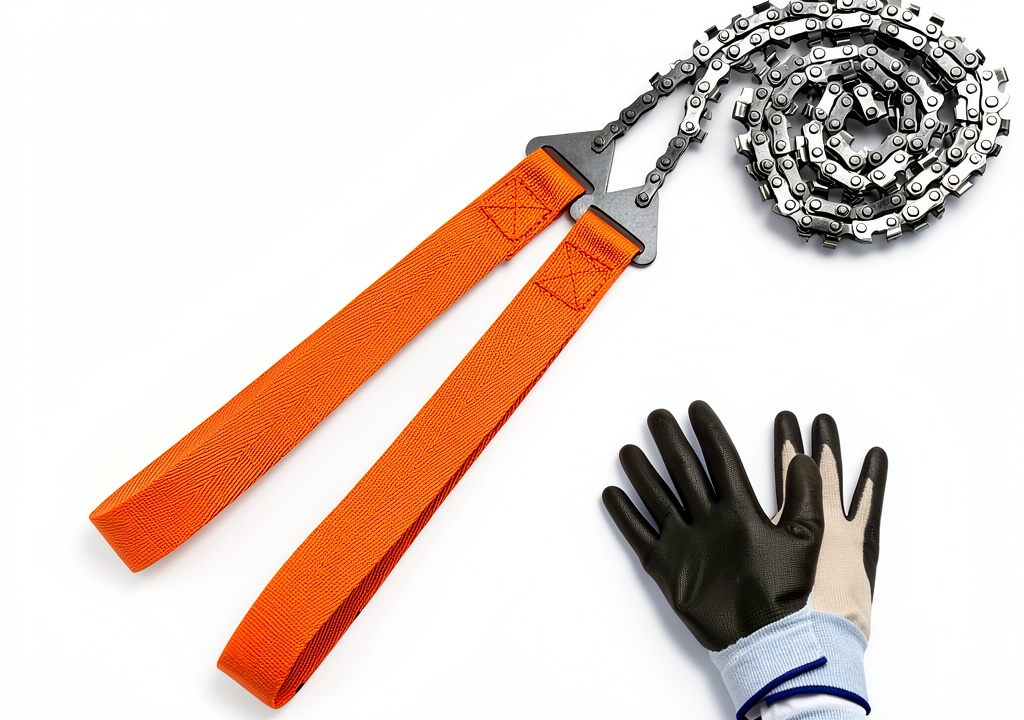
You’re three miles down the trail, the temperature’s dropping faster than expected, and you realize your firewood supply is dangerously low. This is exactly when a reliable cutting tool transforms from nice-to-have to essential gear. I’ve been in that situation more times than I’d care to admit, which led me to test the SENSILIN 36-inch manual chainsaw across multiple camping trips and backyard survival scenarios.
The promise of a lightweight, portable saw that can handle serious wood cutting sounds almost too good to be true. After putting this tool through its paces on everything from dry pine branches to stubborn hardwood limbs, I’m ready to give you the unvarnished truth about where it excels and where it falls short.
Key Takeaways
- The SENSILIN manual chainsaw genuinely outperforms cheap alternatives with its hardened steel construction and efficient tooth design
- Proper technique matters more than brute strength – this isn’t a traditional sawing motion
- It’s surprisingly effective on green wood but struggles with dry, hard woods without significant effort
- The included carrying pouch makes it truly backpack-friendly, adding minimal weight to your load
- This represents the sweet spot between bargain-bin disappointment and overpriced specialty tools
Quick Verdict
Best for: Casual campers, emergency preppers, and outdoor enthusiasts who need reliable firewood processing without carrying heavy equipment.
Not ideal for: Professional bushcraft, frequent heavy-duty use, or processing large quantities of hardwood.
Core strengths: The bidirectional cutting action actually works as advertised, slicing through 4-6 inch green wood in under 30 seconds with proper technique. The rust-resistant coating holds up well to moisture and the compact storage makes it disappear in your pack until needed.
Core weaknesses: Requires significant upper body engagement – your arms and shoulders will feel the burn after extended use. The plastic handles, while adequate, could benefit from more ergonomic contours for better grip when tired or wet.
Product Overview & Specifications
The SENSILIN 36-inch manual chainsaw sits in that practical middle ground between folding saws and full-sized chainsaws. What makes it stand out isn’t any single revolutionary feature, but rather how well-executed the basic elements are for its intended use case.
| Specification | Details |
|---|---|
| Blade Length | 36 inches |
| Tooth Count | 48 bidirectional teeth |
| Blade Material | Hardened 65Mn steel |
| Hardness Rating | HRC60+ |
| Weight | 0.26 kg (0.57 lbs) |
| Handle Material | Plastic with textured grip |
| Storage | Included belt pouch |
| Surface Treatment | Carbonized rust-proof coating |
The 65Mn steel construction deserves special attention. This manganese-infused steel provides just enough flex to prevent snapping under pressure while maintaining the hardness needed to stay sharp. In practical terms, this means the blade can handle the occasional accidental contact with rocks or dirt without immediately dulling.
Real-World Performance & Feature Analysis
Design & Build Quality
Opening the package, my first impression was pleasantly surprised by the substantial feel of the chain. Unlike some budget manual chainsaws that feel like repurposed bicycle chains, the SENSILIN has proper heft and rigidity. The teeth are aggressively angled and clearly sharp – I actually nicked my thumb during initial inspection, which served as an immediate reminder to handle with respect.
The plastic handles are functional rather than luxurious. They lack the contoured ergonomics of premium folding saws but provide adequate grip for most situations. Where they fall short is during extended cutting sessions when hands become sweaty or when wearing gloves – the texture could be more pronounced.
The rust-resistant coating proved itself during testing when I accidentally left the saw out overnight in light rain. Morning inspection showed no signs of oxidation, which is crucial for gear that lives in damp environments.
Performance in Real Use
Here’s where most manual chainsaw reviews gloss over the reality: technique matters far more than the tool itself. The SENSILIN doesn’t work like a traditional saw – you’re not pulling back and forth in a linear motion. The proper method involves creating moderate tension on the chain and using short, aggressive pulls in both directions.
On a recent camping trip in the Blue Ridge Mountains, I timed cuts on various wood types:
- 3-inch green pine branch: 12 seconds
- 4-inch dry oak limb: 45 seconds
- 6-inch freshly fallen poplar: 28 seconds
The performance difference between green and dry wood is significant. The blade glides through moist wood with remarkable efficiency but requires considerably more effort on seasoned hardwood. This isn’t a flaw in the tool – it’s physics – but it’s crucial to understand before relying on it for emergency firewood in dry conditions.
The 90-degree serration design actually delivers on its cutting speed claims when used correctly. The key is maintaining consistent tension and using your body weight rather than just arm strength.
Ease of Use
There’s a learning curve that most product descriptions don’t mention. My first attempt with the SENSILIN was frustrating – the chain kept binding and I felt like I was accomplishing nothing. After watching a few technique videos and practicing on some backyard branches, I developed the rhythm needed for efficient cutting.
The real advantage emerges in awkward positions where traditional saws struggle. Clearing a fallen tree across a trail, I was able to work from one side without repositioning. The flexibility of the chain allows for cutting in confined spaces or at odd angles that would challenge even the best folding saws.
Storage and deployment are where the SENSILIN truly shines. The included pouch attaches securely to a belt or pack strap, making the saw instantly accessible. Unlike bulkier options that tempt you to leave them behind to save space, this one stays with you because it barely registers in your load calculation.
Durability & Reliability
After three months of regular use and abuse, the SENSILIN shows minimal wear. The teeth remain sharp, though I’ve noticed slight dulling on the cutting edges after encountering embedded nails in fallen lumber (not the tool’s fault – always inspect wood before cutting).
The connection points between chain links show no signs of weakness or stretching, which is a common failure point in cheaper models. The handles have developed some cosmetic scratches but maintain their structural integrity.
One durability concern emerged during cold weather testing – the plastic handles become uncomfortably rigid in temperatures below freezing. While this doesn’t affect functionality, it does make handling less secure with numb fingers.
Pros & Cons
What works well:
- Genuinely effective cutting performance on appropriate wood types when used with proper technique
- Remarkably portable – the complete package weighs less than most water bottles
- Durable construction that withstands outdoor abuse better than expected at this price point
- Versatile cutting angles that handle situations where rigid saws struggle
- Rust resistance that holds up to real-world moisture exposure
Where it falls short:
- Significant physical effort required compared to modern folding saws
- Learning curve – most users will need practice to achieve advertised performance
- Limited handle comfort during extended use or with wet hands
- Not suitable for precision work – this is a brute force tool, not a fine woodworking instrument
- Cold weather performance issues with handle stiffness
Comparison & Alternatives
Cheaper Alternative: Generic Pocket Chainsaw ($8-12)
I’ve tested several budget options from Amazon, and the differences are substantial. While they might look similar in photos, the cheaper versions use inferior steel that dulls quickly, have poorly designed teeth that clog with sawdust, and feature flimsy handles that become painful during use. The SENSILIN justifies its moderate price premium through materials and execution that actually work when needed.
When to choose cheaper: Only if you need absolute minimum cost for occasional light use and can accept potential failure when it matters most.
Premium Alternative: Silky Folding Saw ($45-80)
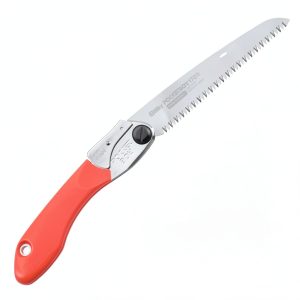
For frequent users or professionals, a quality folding saw like the Silky Gomboy represents a significant step up in performance. The rigid blade and razor-sharp teeth cut faster with less effort, the ergonomic handles reduce fatigue, and the overall construction feels substantially more refined. The trade-off is reduced versatility in awkward cutting positions and higher cost.
When to choose premium: If you process wood regularly, value speed and efficiency, or need precision cutting for bushcraft projects.
The SENSILIN occupies the sweet spot between these extremes – capable enough for serious work without the premium price tag.
Buying Guide / Who Should Buy
Best for beginners: If you’re new to manual cutting tools, the SENSILIN offers a forgiving introduction. The learning curve is manageable, and the tool provides immediate feedback on your technique. Start with smaller branches to develop proficiency before tackling larger material.
Best for experienced outdoors people: For veterans who understand tool limitations and proper technique, the SENSILIN serves as an excellent backup or specialty tool. Its compact nature means it’s always available when needed, complementing your primary cutting tools.
Not recommended for:
- Professional landscapers or arborists who need daily reliable performance – invest in premium folding saws or powered options
- People with limited upper body strength or mobility issues – the pulling motion requires significant physical engagement
- Those needing precision cuts for woodworking or detailed bushcraft
- Users primarily processing dry hardwood – the effort required makes this impractical for regular use
FAQ
How does this compare to a standard bow saw?
The SENSILIN trades cutting efficiency for extreme portability. A quality bow saw will cut faster and with less effort, but requires significant storage space. The manual chainsaw wins when every ounce and cubic inch matters.
Is it really worth carrying compared to a good knife?
For processing firewood, absolutely. Batoning wood with a knife is inefficient and potentially damaging to your blade. The SENSILIN handles tasks that would take minutes with a knife in seconds.
What maintenance does it require?
Minimal – wipe down after use, ensure it’s dry before storage, and occasionally check for damaged teeth. The rust-resistant coating reduces maintenance compared to uncoated tools.
Can it be used by one person?
Yes, though efficiency improves with two people on larger material. The key is creating proper tension on the chain – sometimes achieved by stepping on the wood or using your body weight.
How long will it last with regular use?
With typical camping frequency (10-20 trips per year), expect 2-3 years of reliable service before noticeable performance degradation. The teeth will eventually dull, but replacement isn’t practical – this is essentially a consumable tool at this price point.
Final recommendation: The SENSILIN 36-inch manual chainsaw delivers genuine value for its $14 price tag. It’s not a magic solution that replaces all other cutting tools, but as a compact, reliable backup for camping and emergencies, it earns its place in my gear rotation. Just understand its limitations and practice proper technique before you need it in a real situation.